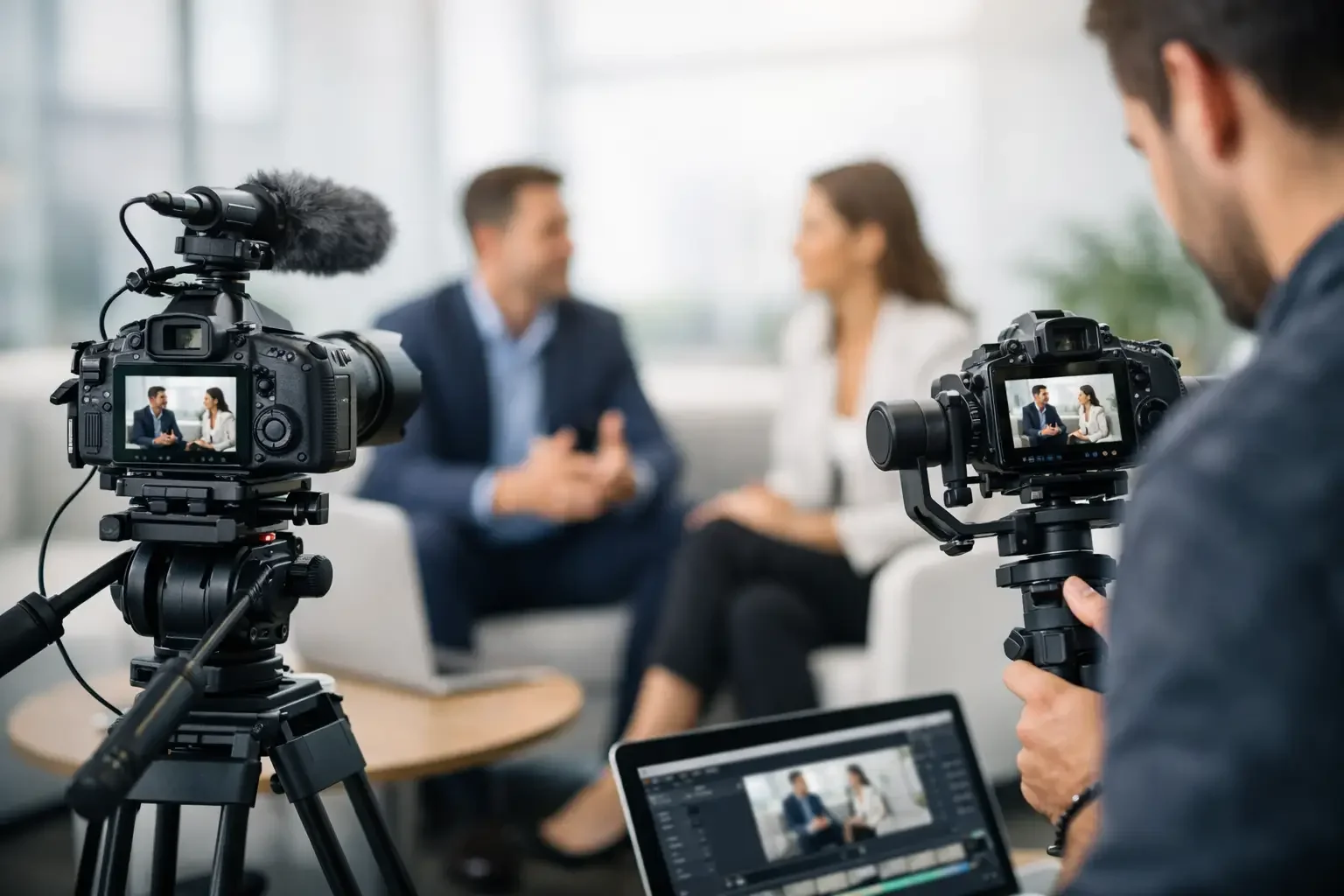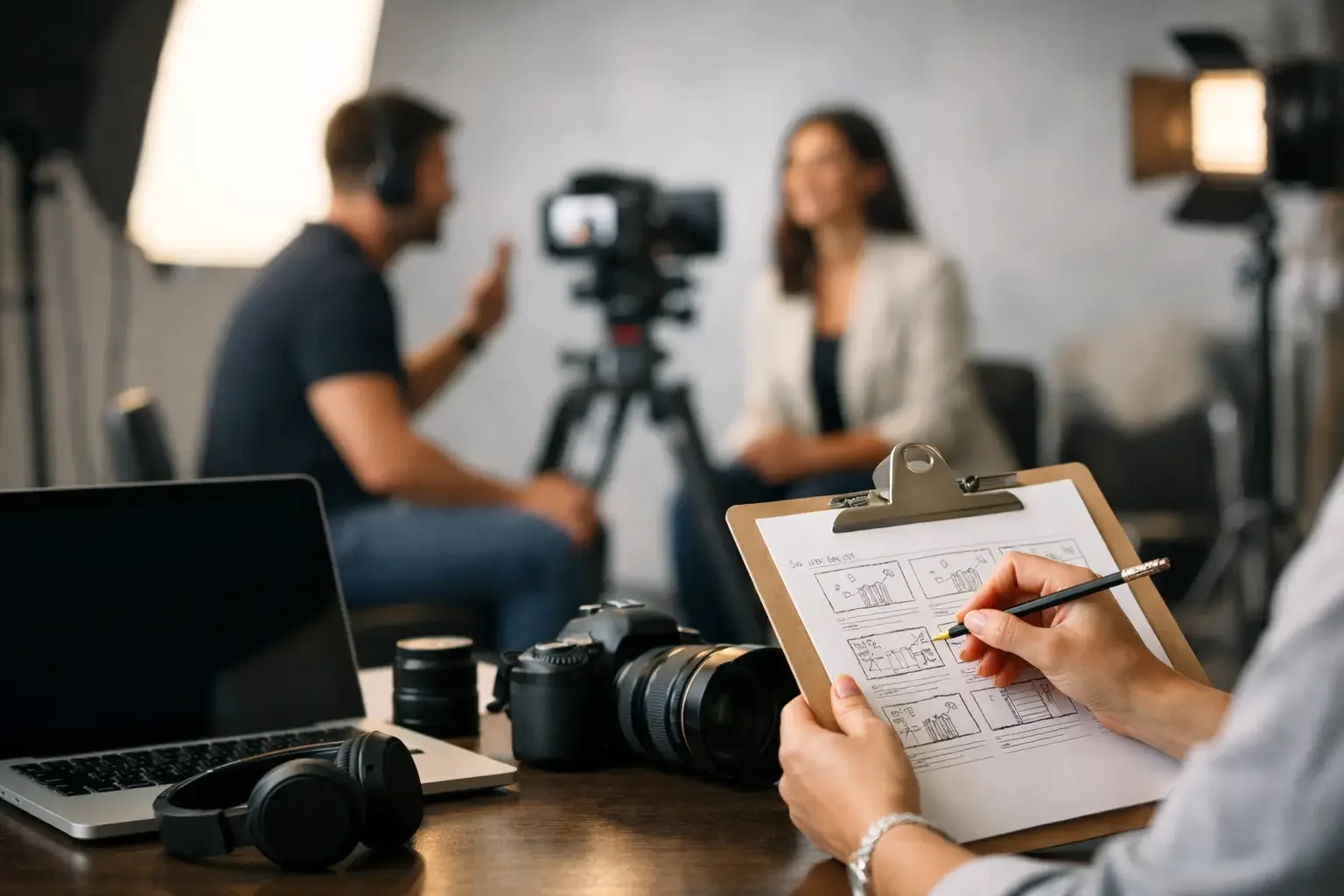
A video shoot rarely goes off course because of the camera. More often, it slips because the message is fuzzy, the schedule is loose, or key people show up unsure of what they’re supposed to say. If you’re wondering how to prepare for video shoot day without wasting time, budget, or momentum, the answer starts well before anyone hits record.
At Chisum Multimedia, we believe a successful shoot is not just about looking polished on camera. It is about creating a marketing asset that serves a purpose. Whether you are filming a brand story, client testimonial, recruiting piece, product demo, or executive message, preparation is what turns a good-looking video into one that actually supports your goals.
Start with the job the video needs to do
Before you think about wardrobe, lighting, or shot lists, get clear on the role of the video. A homepage brand video should feel different from a social media ad. A healthcare explainer needs a different tone than a nonprofit fundraising piece. If the purpose is vague, the production can still look professional, but the final result may not move people to act.
This is where many teams lose efficiency. They know they need video, but they have not agreed on what success looks like. Start by answering a few practical questions. Who is the audience? What should they understand, feel, or do after watching? Where will the video be used? How long should it be? Those answers shape everything from scripting to filming style.
When internal teams align early, shoot day becomes simpler. Fewer rewrites. Fewer last-minute approvals. Fewer moments where someone says, “Can we also turn this into something else?” Sometimes a single shoot can serve multiple needs, but only if that is planned from the beginning.
How to prepare for video shoot planning
Once the goal is set, the next step is building a realistic production plan. This does not need to feel complicated, but it does need structure. Good planning protects your time and gives your production partner what they need to execute well.
Start with the basics: location, schedule, participants, and deliverables. If you are filming at your office, think beyond convenience. Is it quiet? Is there natural light? Will people be walking through the background? Can you control noise from HVAC systems, traffic, phones, or nearby meetings? A space can look perfect in person and still be difficult on camera.
Timing matters just as much. Avoid scheduling a shoot in the middle of your busiest operational window if the team will be distracted. If executives or subject matter experts are on camera, give them breathing room. Packing a shoot into a narrow schedule often creates rushed interviews and avoidable stress.
Deliverables should also be defined before production begins. If you need a main video, shorter social cutdowns, still photography, and vertical clips, that affects the shot plan. This is one of those areas where “it depends” is real. A lean, focused shoot can save money, but a broader content capture day may deliver better long-term value if you need multiple assets.
Get your message camera-ready
Strong visuals help, but messaging carries the weight. One of the most important parts of how to prepare for video shoot day is deciding what needs to be said and how naturally it can be delivered.
Not every project requires a fully scripted approach. In fact, many business videos work better with structured talking points than word-for-word scripts. Interviews and testimonials usually feel more authentic when people speak in their own voice. On the other hand, product explainers, compliance-sensitive messaging, or tightly timed ad spots may need exact wording.
The key is matching the format to the goal. If your speaker is not comfortable on camera, a script can provide security, but it can also create a stiff delivery if overused. Talking points give flexibility, but they require a speaker who can communicate clearly without wandering. The right choice depends on the person, the message, and the intended use.
Give on-camera participants more than a topic list. They should know the audience, the goal of the piece, and the tone you want. A company founder speaking to potential clients should sound different than an HR leader speaking to job candidates. Clarity here improves confidence, and confidence shows up on screen.
Prepare your people, not just your equipment
Many businesses underestimate the human side of a video shoot. Cameras can be adjusted quickly. Nervous speakers take more care.
If team members will be on camera, let them know what to expect before the shoot. Explain the setup, the schedule, and whether they will be reading lines, answering questions, or repeating short statements. People tend to perform better when there are no surprises.
Wardrobe guidance helps too. Solid colors usually work better than busy patterns. Brand colors can be useful, but not if they are distracting on camera. Ask participants to avoid clothing with small stripes, large logos, or reflective jewelry. Glasses are usually fine, though lighting may need to be adjusted to reduce glare.
It also helps to choose the right people. The most senior person is not always the strongest on-camera voice. Sometimes the better choice is the operations lead who speaks clearly, the physician with natural warmth, or the employee who connects well with customers. Authority matters, but clarity and authenticity matter too.
Build a location that supports the story
Your location does more than hold the shoot. It communicates something about your brand. A clean office, active workspace, welcoming lobby, manufacturing floor, clinic, or campus setting can all add credibility if they match the message.
That said, the best visual setting is not always the easiest one to film in. If you are choosing between a beautiful but noisy space and a simpler but controllable one, the trade-off deserves attention. Viewers will tolerate a less dramatic background more easily than poor audio.
Prepare the space before the crew arrives. Remove clutter, tidy surfaces, hide visible cords, and make sure branded materials are current. Check what is visible in the background. Old signage, outdated brochures, or confidential information on whiteboards can create avoidable problems.
If customers, patients, or staff will be present, think through permissions and privacy concerns. In some environments, especially healthcare and education, this requires extra planning. A little foresight here can prevent delays and reshoots.
Plan the day like a production, not a meeting
Shoot days run better when there is a clear order of operations. Interviews, b-roll, team scenes, product shots, and location setups all take time. A schedule keeps momentum moving and helps everyone know where they need to be.
This is especially important if multiple departments are involved. Marketing may be leading the project, but operations, leadership, HR, or clinical staff may all affect the schedule. Confirm who is needed, when they need to arrive, and how long they should expect to be involved.
It is also smart to build margin into the day. Video production has moving parts. Lighting adjustments take time. Good answers sometimes need a second take. A location may become temporarily noisy. A little flexibility keeps those moments from becoming a problem.
If you are working with a professional production team, trust the process they lay out. Experienced crews know how to sequence the day efficiently. That is part of what makes the process easier for clients and keeps the project from feeling chaotic.
Think beyond shoot day
A lot of preparation should be driven by what happens after filming. If stakeholders need to approve the video, decide who those people are in advance. If the video supports a campaign, know the launch timing. If captions, alternate cuts, or platform-specific versions are needed, account for them before production.
This matters because editing is where strategy becomes visible. The footage captured on set needs to support your final deliverables. If you realize after the shoot that you also needed vertical clips, a cleaner product close-up, or a stronger call to action, your options may be limited.
Smart preparation makes post-production smoother. It gives the editor the right raw material and keeps revisions focused on improvement instead of repair.
What businesses often miss
The most common preparation mistake is treating the shoot like the project instead of one phase of the project. The camera day feels important because it is visible and time-bound. But the real value comes from the thinking that happens before it.
A close second is underestimating how much clarity reduces stress. When the message is locked in, the right people are briefed, and the environment is ready, everyone performs better. The result is not just a better filming experience. It is a stronger business asset.
For companies across Middle Tennessee, that preparation often makes the difference between a video that simply exists and a video that helps build trust, explain value, and support growth. Chisum Multimedia sees that firsthand on business shoots of every size.
If you want your next production to feel organized, confident, and worth the investment, treat preparation as part of the creative work. That is where strong results usually begin.