
Marketing Video Planning Guide for Results
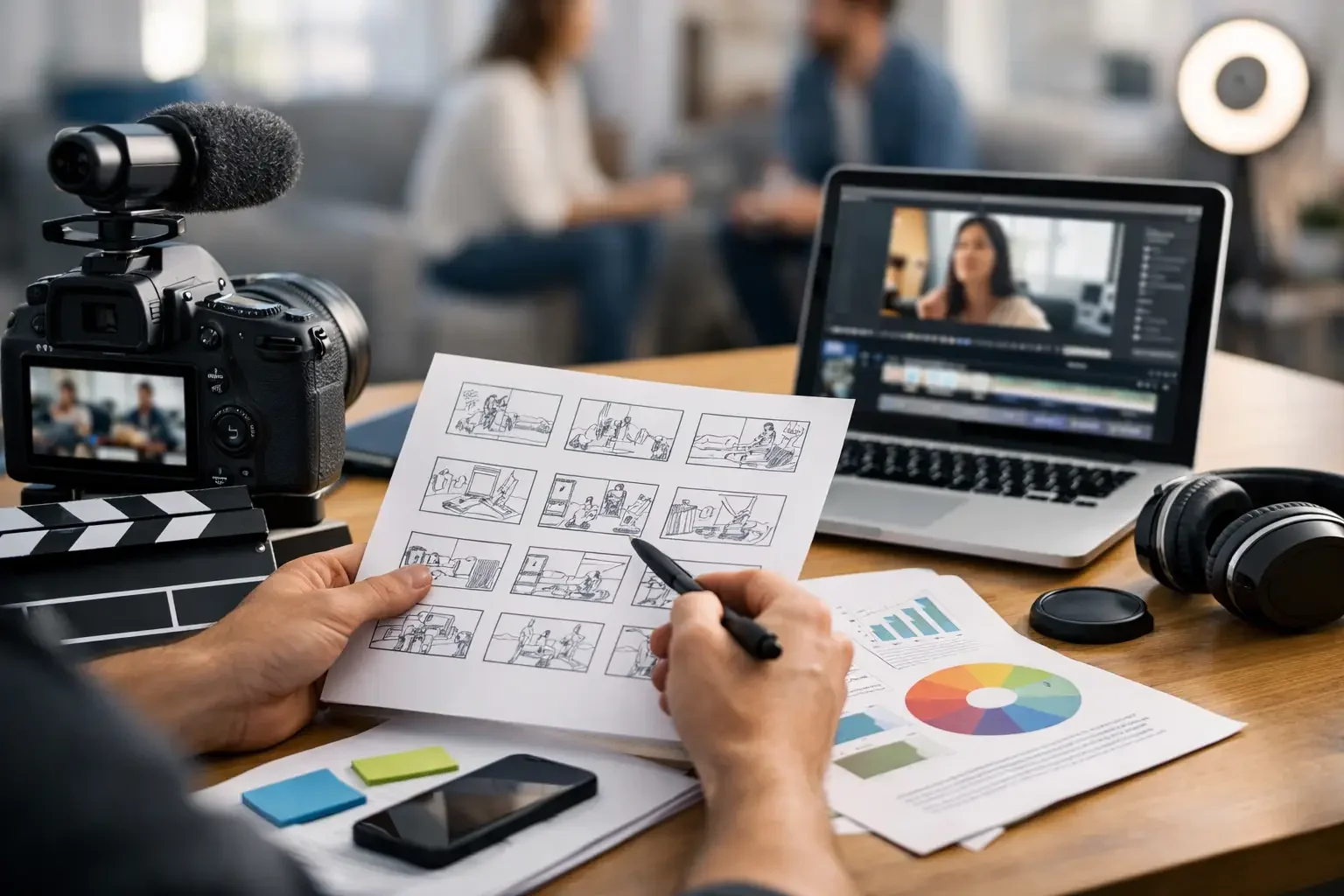
A lot of business videos go off track before the camera ever rolls. The idea sounds good, the team is excited, and then the project starts absorbing time, budget, and opinions without a clear plan. A strong planning guide from Chisum Multimedia will help you avoid that. It turns video from a creative guess into a practical marketing asset with a job to do.
For business owners and marketing leaders, that distinction matters. A polished video is nice to have. A polished video that supports sales, recruiting, fundraising, brand positioning, or customer education is far more valuable. Planning is what creates that difference.
Why a marketing video planning guide matters
Most companies do not struggle because they lack ideas. They struggle because they try to make one video accomplish everything at once. The result is often a vague message, a slow approval process, and a final piece that looks professional but feels unfocused.
Good planning creates alignment early. It helps your team decide what the video is actually for, who it needs to reach, and what action should happen after someone watches. That clarity makes every production decision easier, from scripting and interviews to locations, visuals, and length.
It also protects your investment. Video production involves real resources, whether you are creating a brand film, a customer testimonial, a recruiting piece, or a social campaign. The more intentional the plan, the more likely the final content will keep working long after launch.
Start with the business goal, not the video concept
The first question is not, “What kind of video should we make?” It is, “What business problem are we trying to solve?” That shift keeps the conversation strategic.
If your goal is awareness, you may need a short brand message designed to introduce your company and build trust quickly. If your goal is conversion, you may need a more focused piece that explains your offer, removes objections, or shows proof. If your goal is recruiting, the content should give people a clear sense of culture, expectations, and opportunity.
This is where many projects either sharpen up or drift. A leadership team may want a broad company story while the marketing team needs campaign-ready assets. Neither is automatically wrong. The issue is trying to force both goals into one deliverable. Sometimes one flagship video works. Sometimes the smarter move is planning a small content package that serves different stages of the funnel.
Define one primary audience
A video can appeal to more than one group, but it should be built for one primary viewer. That audience decision shapes the language, pacing, emotional tone, and level of detail.
A healthcare provider speaking to patients will need a different message than one speaking to physician referral partners. A nonprofit addressing donors will frame its story differently than one trying to recruit volunteers. A manufacturer talking to procurement teams should not sound like a lifestyle brand trying to win attention on Instagram.
When the audience is too broad, the message gets watered down. Strong video marketing feels direct because it is. It speaks to a specific person with a specific concern, and it gives them a clear reason to care.
Get specific about the message
Once the goal and audience are clear, the next step is message discipline. Most effective marketing videos can be traced back to one core idea. Not five. One.
That core idea might be that your company solves a costly problem faster than competitors. It might be that your organization changes lives in measurable ways. It might be that your team brings uncommon expertise with a service experience clients can trust. Whatever it is, the message needs to be stated in plain language before anyone starts writing a script.
This is also the right stage to decide what proof supports the message. Proof can come from customer outcomes, process visuals, team expertise, years in business, testimonials, certifications, or real-world examples. Without proof, a marketing video can sound polished but generic.
Choose the right video format for the goal
This is where strategy meets production. Different formats serve different purposes, and choosing the right one can save time and improve performance.
A brand overview video works well when you need a strong first impression on your website or in presentations. A testimonial video is often more persuasive when trust is the main hurdle. A service explainer helps when prospects do not fully understand what you do or why your process is different. Short-form campaign videos are useful when reach and repetition matter more than depth.
There is no universally best format. It depends on where the video will live and what the viewer needs at that moment. A homepage visitor may watch a 60- to 90-second overview. A social media audience may only give you a few seconds unless the opening is especially strong. A sales conversation may benefit from a more detailed case study or founder message.
Plan distribution before production
A common mistake is treating distribution as a post-production decision. In reality, platform and placement should shape the plan from the beginning.
If the video is meant for your website, it should quickly establish credibility and guide the viewer toward the next step. If it is meant for paid social, the opening has to earn attention immediately, often without sound. If your team will use it in email outreach or sales presentations, messaging and length may need to support a warmer, more informed audience.
This planning step also affects technical choices. Aspect ratio, run time, captions, cutdowns, and alternate edits are easier to build into the project upfront than to force in later. Businesses that want stronger return from video usually think beyond one hero edit. They plan for a set of usable assets.
Build a realistic production plan
A great concept can still get derailed by avoidable logistics. That is why the production plan matters just as much as the creative brief.
Start with the practical questions. Who needs to appear on camera? Which locations best support the story? What parts of your process should be filmed to create visual credibility? Are there compliance concerns, scheduling limitations, or stakeholder approvals that could slow things down?
This is also the time to decide how much structure the video needs. Some projects benefit from a full script. Others are stronger with guided interviews and a loose outline that lets real people sound natural. A scripted CEO message may feel controlled and efficient. A customer story may feel more authentic with conversational answers and documentary-style visuals. The right choice depends on the message and on-camera talent.
Set expectations for approvals and revisions
Video projects rarely stall because of cameras or editing software. They stall because too many people weigh in too late.
A clear approval process keeps momentum. Decide early who owns feedback, who has final approval, and what success looks like at each stage. That includes concept approval, script or interview direction, edit review, and final delivery.
This does not mean excluding important stakeholders. It means giving the project a manageable path. When feedback loops are too wide, videos tend to become safer, longer, and less effective. Strong creative work usually comes from clear leadership and well-timed collaboration.
Measure success the right way
Not every video should be judged by the same metric. Views can be useful, but they are not enough on their own. A recruiting video with fewer views but stronger applicant quality may outperform a broad awareness piece with higher reach. A testimonial video that shortens the sales cycle may deliver more value than a social clip with impressive engagement.
The best way to measure success is to tie the video back to its original job. Look at watch time, click-through behavior, lead quality, meeting conversions, campaign performance, or how often your team uses the asset in real conversations. A strong video should make part of your marketing or communication effort work better.
What smart planning really buys you
A good video production partner can make your brand look polished. A great one helps you make sharper decisions before production starts. That planning process reduces friction, protects your budget, and gives your team confidence that the final piece will do more than sit on a website.
For organizations across Middle Tennessee, that is often the real priority. They do not just need attractive footage. They need content that reflects the quality of their business, communicates value clearly, and supports growth. That is where a thoughtful marketing video planning guide becomes more than a checklist. It becomes the foundation for video that actually performs.
If you are considering your next video, slow down just enough to get the plan right. The shoot will feel easier, the edit will be stronger, and the final result will have a much better chance of earning attention for the right reasons.