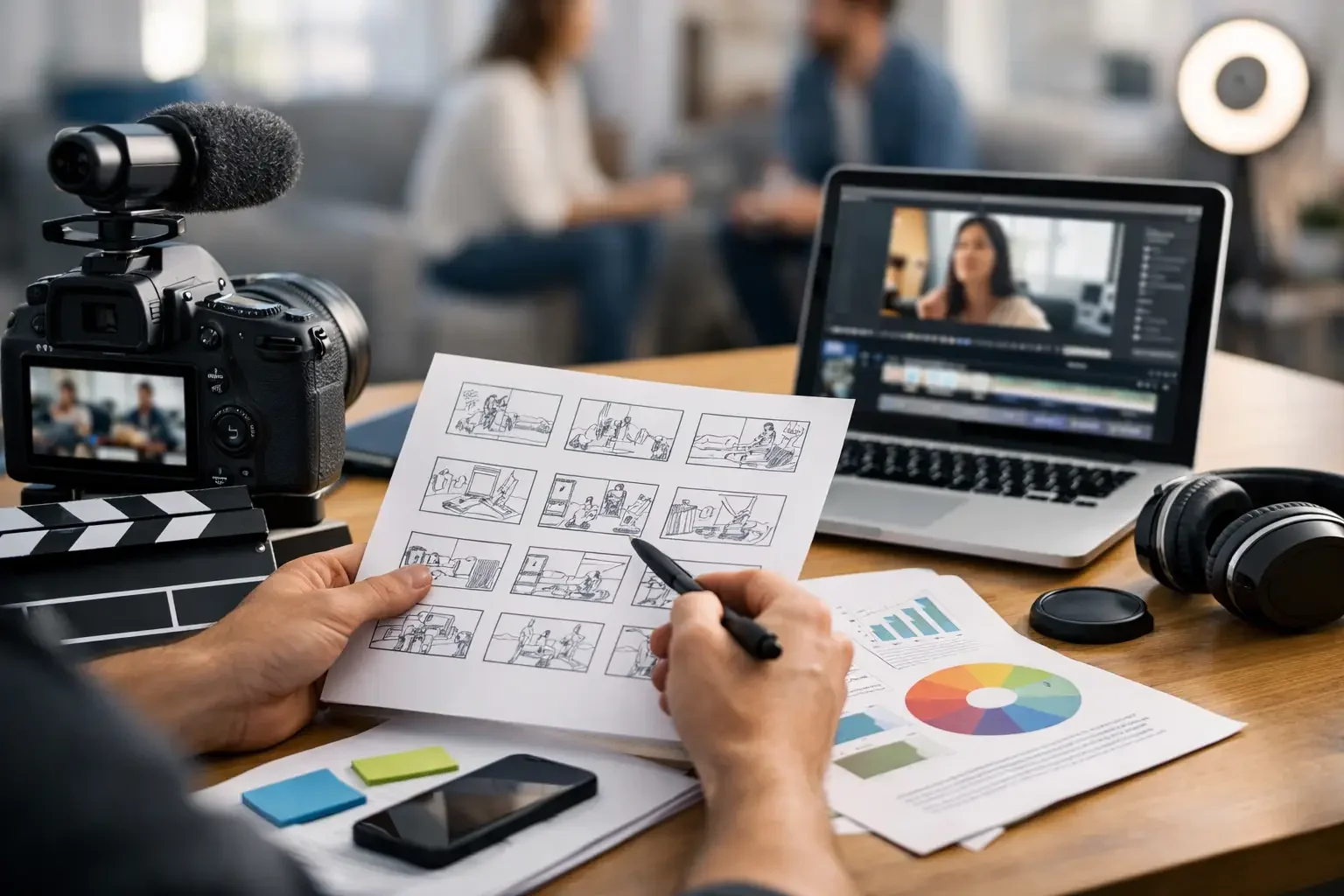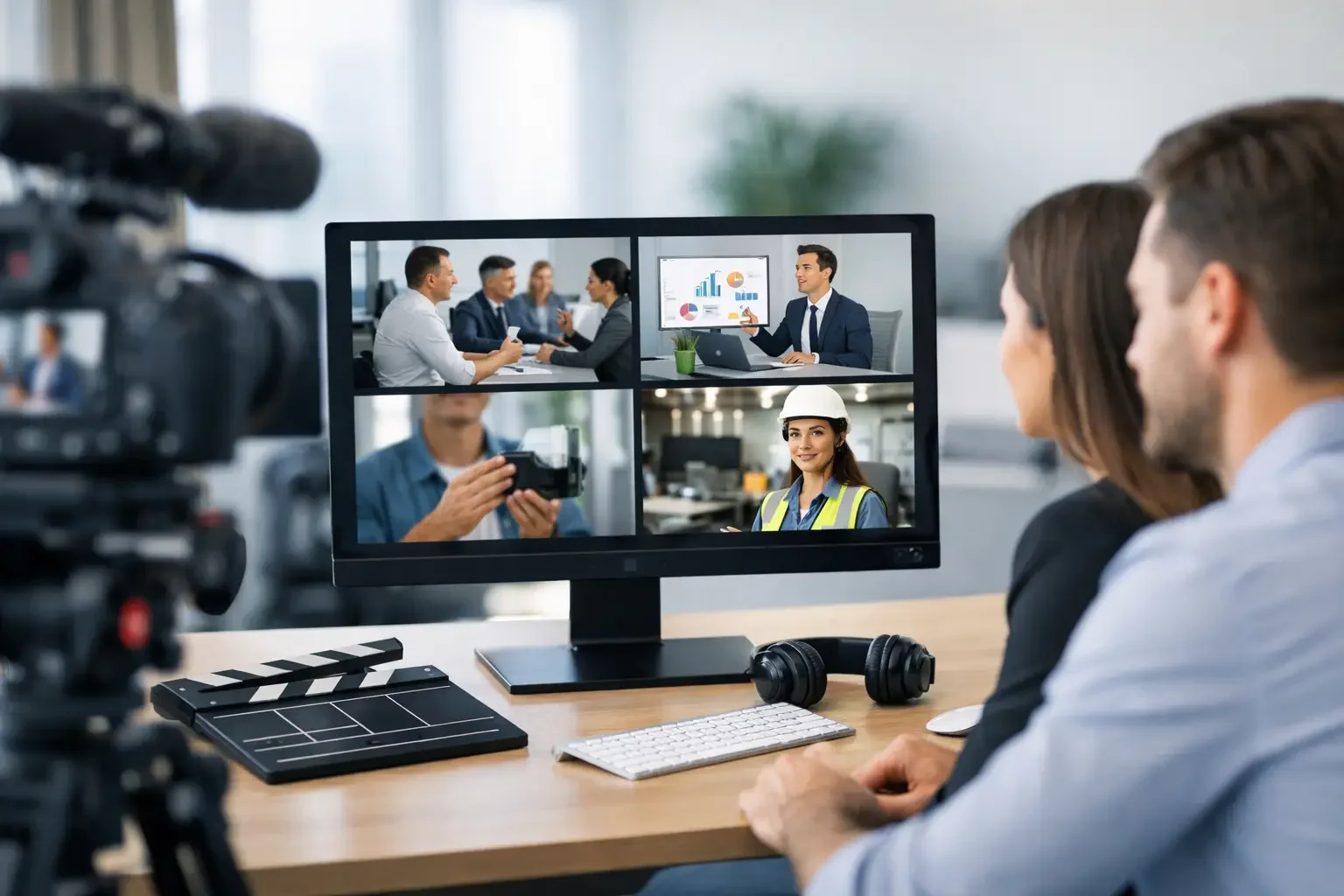
A polished video can make your company look established in a matter of seconds. The wrong one can feel expensive, generic, and forgettable. That is why choosing the best corporate video styles is less about following trends and more about matching the format to the job the video needs to do.
For businesses in Murfreesboro, Nashville, Franklin, and across Middle Tennessee, that choice usually comes down to a practical question: what do you need this video to accomplish? A brand video creates trust. A testimonial reduces hesitation. A recruiting video helps the right people picture themselves on your team. Different styles do different work, and the strongest video strategy usually includes more than one. Chisum Multimedia can help you with that decision, and we have experience in producing each of these.
What makes the best corporate video styles effective?
The best corporate video styles share one trait: they are built around a clear business goal. Strong visuals matter. Good lighting, sound, pacing, and editing all matter. But production quality alone does not guarantee results.
An effective corporate video knows who it is speaking to, what message needs to land, and where the audience will actually see it. A homepage video can take more time to set the tone. A paid ad needs to get to the point fast. A company overview shown in a sales meeting should answer questions before they are asked.
That is why style selection should happen early. If you start with, "We need a video," you risk getting something attractive but unfocused. If you start with, "We need to help prospects understand why they should trust us," the right style becomes much easier to identify.
1. Brand story videos
A brand story video is often the first thing people think of when they picture corporate video. It introduces who you are, what you do, and why your company exists. When done well, it gives viewers a reason to care, not just a list of services.
This style works especially well for companies that need to build credibility quickly. Professional services firms, healthcare groups, manufacturers, and growing local businesses often benefit from a strong brand piece because it puts real people, real environments, and real values on screen.
The trade-off is that a brand story video should not try to say everything. If it becomes too broad, it loses focus. The best versions are clear, human, and selective. They give viewers a strong impression and move them to the next step.
2. Testimonial videos
If your audience is close to making a decision but still has questions, testimonial videos are one of the most effective styles you can create. A satisfied client saying, "Here is what changed after we hired them," carries a different weight than any marketing copy ever could.
This style is especially strong for service-based businesses, medical practices, B2B companies, and organizations where trust is a major factor. It helps reduce perceived risk. It also gives prospects a chance to hear from someone who sounds like them and had similar concerns.
A weak testimonial feels scripted. A strong one feels specific. The most persuasive testimonials focus on the problem, the experience, and the outcome. Instead of vague praise, they offer proof.
3. Company culture and recruiting videos
Hiring has become a branding function as much as an HR function. A recruiting video gives potential candidates a real sense of your workplace, your people, and your expectations. It can also save time by attracting applicants who align with your culture and filtering out those who do not.
This style is valuable when growth depends on building the right team. It is often a smart investment for healthcare organizations, skilled trades, schools, nonprofits, and businesses with ongoing hiring needs.
The key is honesty. If the video oversells the culture or paints an unrealistic picture, it may generate applications but not long-term fit. The best recruiting videos feel confident and grounded. They show the environment as it is, while highlighting what makes it worth joining.
4. Product or service explainer videos
Some businesses offer services that are highly valuable but not immediately easy to understand. An explainer video helps simplify the message. It shows what you do, who it is for, and why it matters.
This is one of the best corporate video styles for companies with layered offerings, technical services, or a sales process that requires education. It can work on a website, in email campaigns, during presentations, or as part of a broader sales funnel.
The challenge is keeping the message concise. Many explainers fail because they try to teach everything at once. The strongest ones focus on the core problem and the clearest solution. If viewers understand the value in under two minutes, the video is doing its job.
5. Leadership message videos
When communication needs to come directly from the top, a leadership message video can be the right format. These are often used for internal communication, stakeholder updates, fundraising efforts, company announcements, or public-facing statements.
A well-produced leadership video adds clarity and presence. Viewers can hear tone, see body language, and connect with the person behind the message. That matters during periods of change, growth, or uncertainty.
This style requires balance. It should feel polished, but not overly staged. The more sensitive or important the message, the more valuable it is to present it with professionalism and care.
6. Event highlight videos
If your business hosts conferences, fundraisers, launches, community events, or internal gatherings, an event highlight video can extend the value far beyond the day itself. It captures energy, participation, and brand presence in a way still photos alone often cannot.
This style works well as both a recap and a promotional asset for future events. It can also support social media, sponsorship outreach, and internal morale.
Timing matters here. Event videos depend on strong planning before the event starts. Without a clear shot list and production approach, it is easy to end up with footage that looks busy but says very little. The best highlight videos feel purposeful, not random.
7. Social media short-form videos
Not every corporate video needs to be cinematic and two minutes long. Short-form content can be one of the smartest investments for brands that need consistent visibility. These videos are built for attention, speed, and repeat engagement.
They can include quick service highlights, team introductions, behind-the-scenes moments, FAQs, tips, campaign promos, or trimmed versions of longer videos. For many companies, this style helps keep their brand active and current between larger productions.
The trade-off is that short-form video needs message discipline. There is not much room for setup. The opening has to earn attention immediately, and the visual approach needs to be clean and intentional.
8. Case study videos
Case study videos go deeper than testimonials. Instead of simply saying a client had a good experience, they walk through the challenge, the approach, and the result. For companies selling higher-value services, this style can be especially persuasive.
A case study is often one of the best corporate video styles for B2B marketing because it helps prospects picture the process and the payoff. It turns abstract claims into a documented story.
This format does require access to a willing client and enough measurable outcome to make the story compelling. But when those pieces are available, a case study video can become a powerful sales tool.
9. Training and onboarding videos
Not every corporate video is outward-facing. Training and onboarding videos help companies communicate more consistently, save staff time, and improve internal operations. They can be used for employee orientation, safety processes, systems training, or standard operating procedures.
This style is often overlooked because it does not feel as promotional. Yet it can deliver very real value. If your team repeats the same explanations over and over, video can create consistency while reducing friction.
The best versions are straightforward and well organized. They do not need heavy branding. They need clarity, usability, and production quality strong enough that people will actually pay attention.
How to choose among the best corporate video styles
The right choice usually depends on three things: your audience, your objective, and where the video will be used. If you need top-of-funnel awareness, a brand video or short-form campaign may make sense. If your audience already knows you and needs reassurance, testimonials or case studies are often stronger. If your challenge is internal communication or hiring, a recruiting or training video may produce a better return than a general marketing piece.
Budget matters too, but not in the way many people assume. A smaller budget does not automatically mean lower impact. It often means being more selective. One well-planned testimonial or service explainer can outperform a more expensive video that tries to cover too much.
This is where having an experienced production partner makes a real difference. At Chisum Multimedia, the strongest projects usually start with strategy first, then creative direction, then production. That order keeps the final piece aligned with the result the client actually needs.
A better question than "Which style is best?"
The better question is, "Which style is best for this goal, this audience, and this stage of our marketing?" That shift changes everything. It turns video from a nice-looking asset into a working business tool.
When the format matches the purpose, your video does more than represent your company well. It builds trust, supports sales, strengthens your brand, and gives people a clear reason to take the next step. Start there, and the right style becomes much easier to see.