Most companies do not struggle to explain what they do. They struggle to make people care.
At Chisum Multimedia, we produce brand videos that earn their place in a serious marketing strategy. A well-made brand video does more than look polished. It gives your audience a reason to trust you, remember you, and take the next step. For businesses in competitive markets like Murfreesboro, Nashville, and Franklin, that difference matters.
A generic video can fill space on a website. A story-driven video can shape how people feel about your company before they ever call, schedule, or buy. That is a meaningful distinction, especially for organizations that depend on credibility, clarity, and long-term customer relationships.
What brand storytelling video production actually does
At its best, brand storytelling video production connects three things that often get treated separately - your message, your visuals, and your business goal. If one of those pieces is weak, the video may still look professional, but it will not work as hard as it should.
Storytelling gives structure to your value. Instead of listing services or repeating broad claims, the video shows who you are, what problem you solve, and why your approach matters. That might sound simple, but it requires discipline. Many businesses want to say everything at once, and the result is a video that feels crowded, vague, or forgettable.
A strong brand story narrows the focus. It identifies the most important idea your audience needs to understand and builds around that point with intention. For one company, that may be trust. For another, innovation. For a healthcare practice, it may be reassurance. For a nonprofit, it may be mission and impact. The story changes, but the principle stays the same - people respond to meaning before they respond to details.
Why polished visuals are not enough
High production value matters. Clean lighting, strong audio, thoughtful composition, and confident editing all shape how your brand is perceived. But visual quality alone does not carry the message.
A common mistake is treating production as the strategy. Business owners sometimes assume that if the footage looks cinematic, the video will automatically perform. In reality, beautiful footage without a clear story can feel empty. On the other hand, a smart message delivered with care and craftsmanship can become a powerful sales and branding asset.
The most effective videos balance both. They look excellent because your audience notices quality. They also communicate with purpose because your audience is trying to answer practical questions. Can I trust this company? Do they understand my problem? Are they the right fit? Good brand storytelling answers those questions without sounding forced.
The real business value of a story-driven brand video
Businesses invest in video for different reasons, but the underlying goal is usually the same - move people closer to action. That action might be a call, a consultation, an application, a donation, or a purchase.
A brand story video supports that process in several ways. First, it builds familiarity. Decision-makers are more likely to engage with a business that feels established and credible. Second, it creates consistency. Your team may explain the company well in person, but video helps deliver that message clearly across your website, social channels, presentations, and email campaigns. Third, it improves retention. People are far more likely to remember a story than a block of marketing copy.
There is also a practical efficiency benefit. A single brand video can become a central asset that supports multiple campaigns and touchpoints. It can anchor a homepage, strengthen a proposal, introduce your company at an event, or feed shorter edits for social media. When the strategy is sound from the beginning, the production has a longer shelf life and a wider return.
Brand storytelling video production is not one-size-fits-all
This is where many articles oversimplify the process. Not every business needs the same kind of story, and not every audience responds to the same tone.
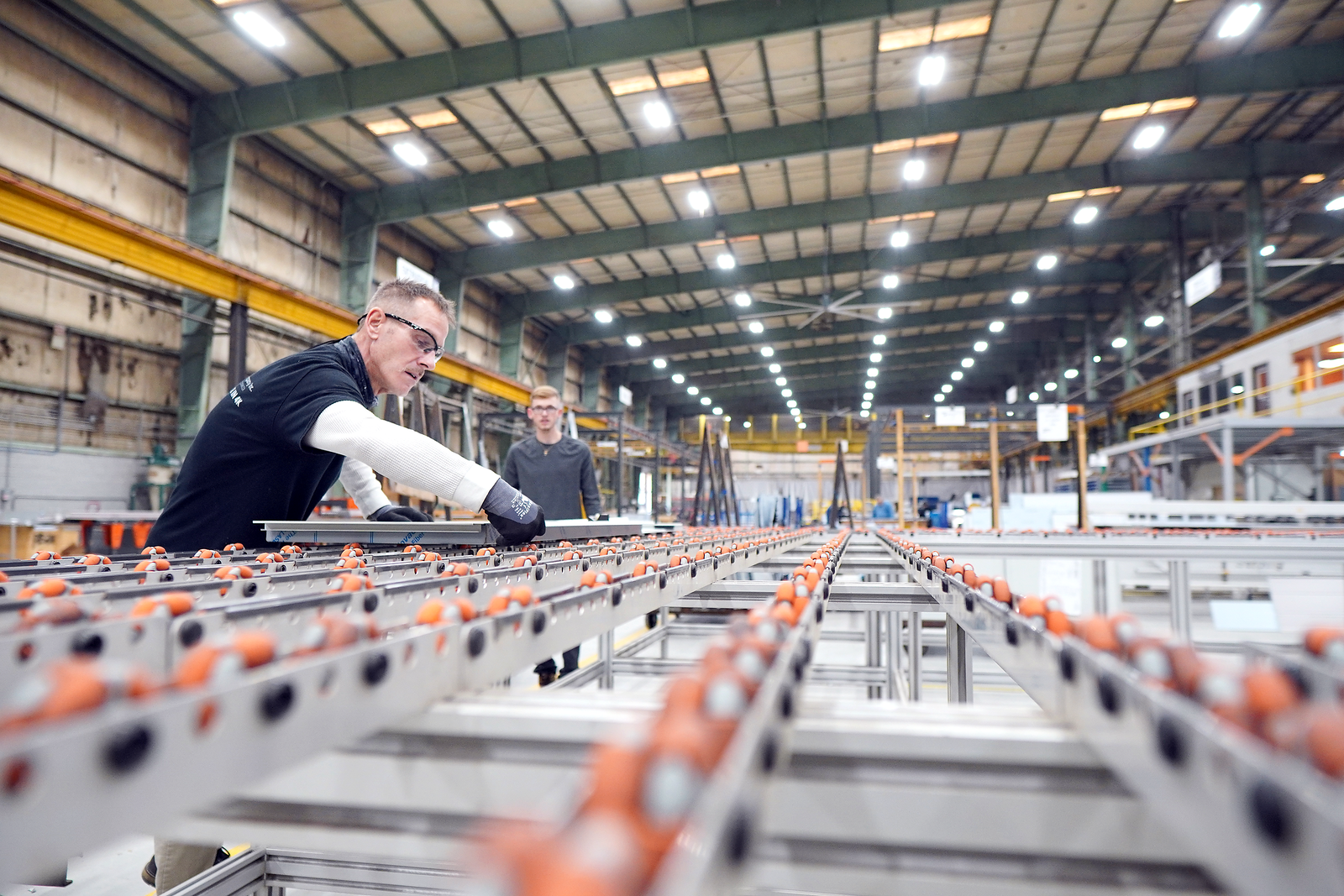
A founder-led company may benefit from a personal, visionary narrative. A healthcare provider may need a calm, trust-centered approach that reduces anxiety and emphasizes patient experience. A manufacturer may need to show precision, reliability, and capability. An organization serving the public may need to highlight people, outcomes, and community impact.
Even within the same market, the right style depends on your goal. If you need awareness, the video should lead with a compelling brand impression. If you need conversion, the structure may need more clarity around process, benefits, and proof. If recruiting is the goal, the story should focus on culture and mission. Storytelling is not decoration. It is alignment.
What makes a brand video feel credible
Credibility usually comes from restraint.
The strongest brand videos do not overstate, overpromise, or rely on generic language. They show real environments, real people, and a message grounded in what makes the business distinct. That can include interviews, customer perspective, behind-the-scenes footage, team interactions, or location-based visuals that make the company feel tangible and local.
Specificity matters here. Broad claims like "we care about our clients" are easy to say and hard to believe on their own. A better approach is to show how that care appears in practice - your responsiveness, your process, your attention to detail, or the outcomes your clients describe. The more concrete the story, the more believable the brand becomes.
This is especially important for companies in service industries. When people are buying expertise, trust often becomes the deciding factor. A polished, strategic video can shorten that trust-building process because prospects feel like they have already met you.
How the production process shapes the final result
Great storytelling does not begin on shoot day. It begins with clear thinking.
Before the cameras roll, the right production partner should help define the purpose of the video, the audience, the core message, and the desired next step. That planning stage often determines whether the final piece feels sharp or scattered. If the concept is too broad, the script becomes weak. If the audience is unclear, the tone misses. If the business goal is undefined, the finished video may look good while doing very little.
Pre-production also affects how smooth the experience feels for your team. Businesses are busy. Marketing directors, owners, physicians, and program leaders do not have time for a chaotic process. A well-run production keeps communication clear, schedules organized, and expectations realistic. That is not a minor detail. It is part of the value.
During filming, the goal is not just to capture attractive footage. It is to gather the right moments, language, and visual proof to support the story. In post-production, editing becomes the final layer of strategy. Pace, music, interview selection, and scene order all influence how the audience interprets your brand.
When brand storytelling video production delivers the best return
The strongest return usually comes when businesses treat video as part of a broader marketing system rather than a standalone project.
If your website positioning is unclear, a brand video will not fix the entire problem by itself. If your sales follow-up is weak, even an excellent video has limits. But when your messaging, brand presentation, and customer journey are aligned, video becomes a multiplier. It makes your strengths easier to see and easier to trust.
That is why the best projects often begin with a simple question: what should this video do for the business? Not just what should it say, but what should it accomplish?
Sometimes the answer is immediate lead generation. Sometimes it is stronger market perception. Sometimes it is helping a company look as professional on screen as it already is in real life. For many Middle Tennessee businesses, that gap is real. They have built something excellent, but their current content does not reflect it. A strong story-driven video helps close that gap.
Choosing the right partner for brand storytelling video production
Not every production company is built for business storytelling. Some are excellent at visuals but weak on message. Others understand marketing but produce work that feels flat. The right fit brings both together.
You want a team that can ask smart questions, identify the heart of your story, and execute at a professional level without creating unnecessary friction. That combination matters more than flashy language or trendy editing. Good partners make the process easier, not more complicated.
For businesses that need dependable execution and strategic clarity, that kind of collaboration often makes the difference between a video that simply exists and one that keeps working long after launch. Chisum Multimedia is built around that standard - high-impact visuals, clear messaging, and a client experience that feels organized from start to finish.
A brand story video should not feel like a box to check. It should feel like a clearer, stronger version of your business finally being seen the way it deserves to be seen. That is when people stop scrolling, start paying attention, and remember your name when it counts.