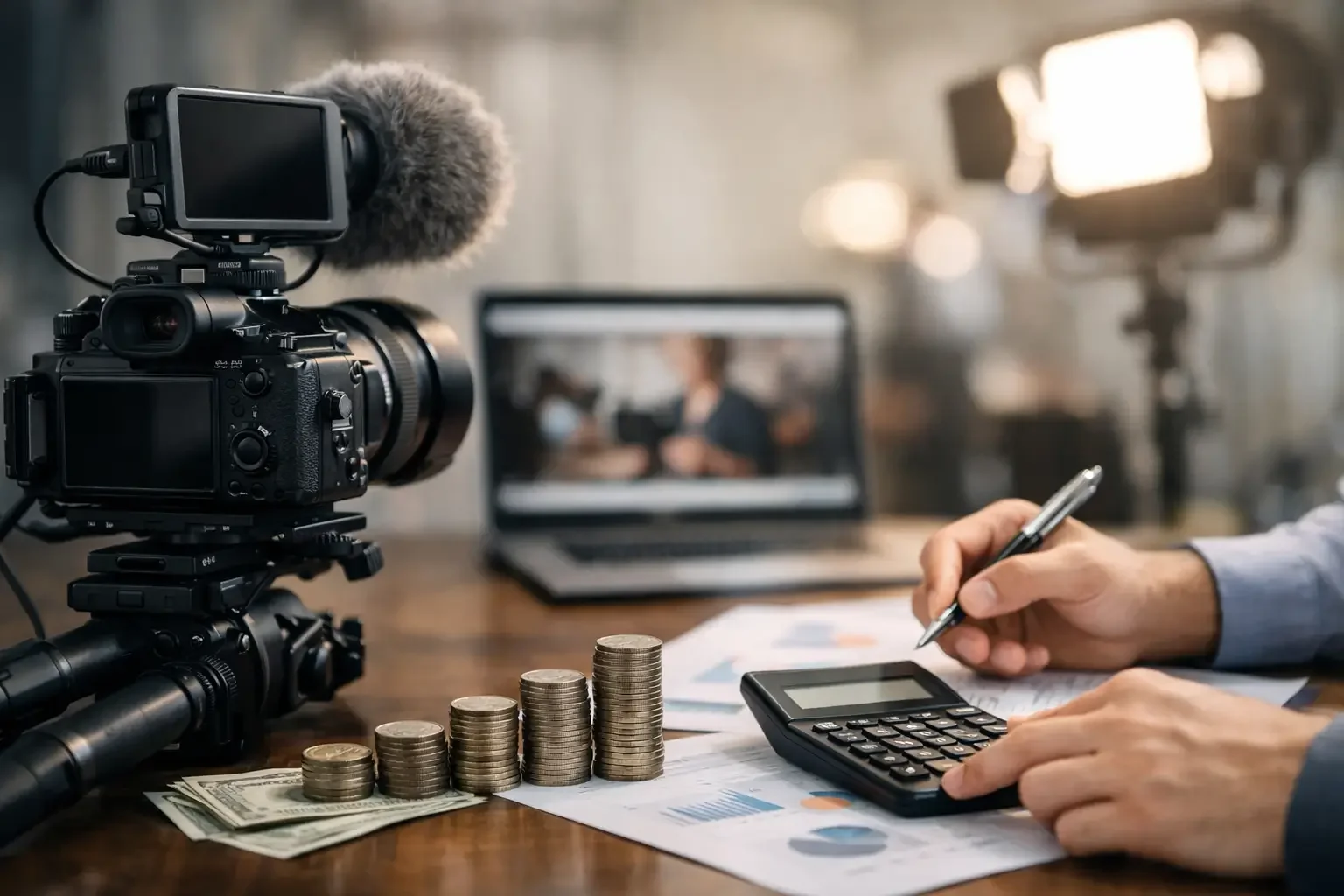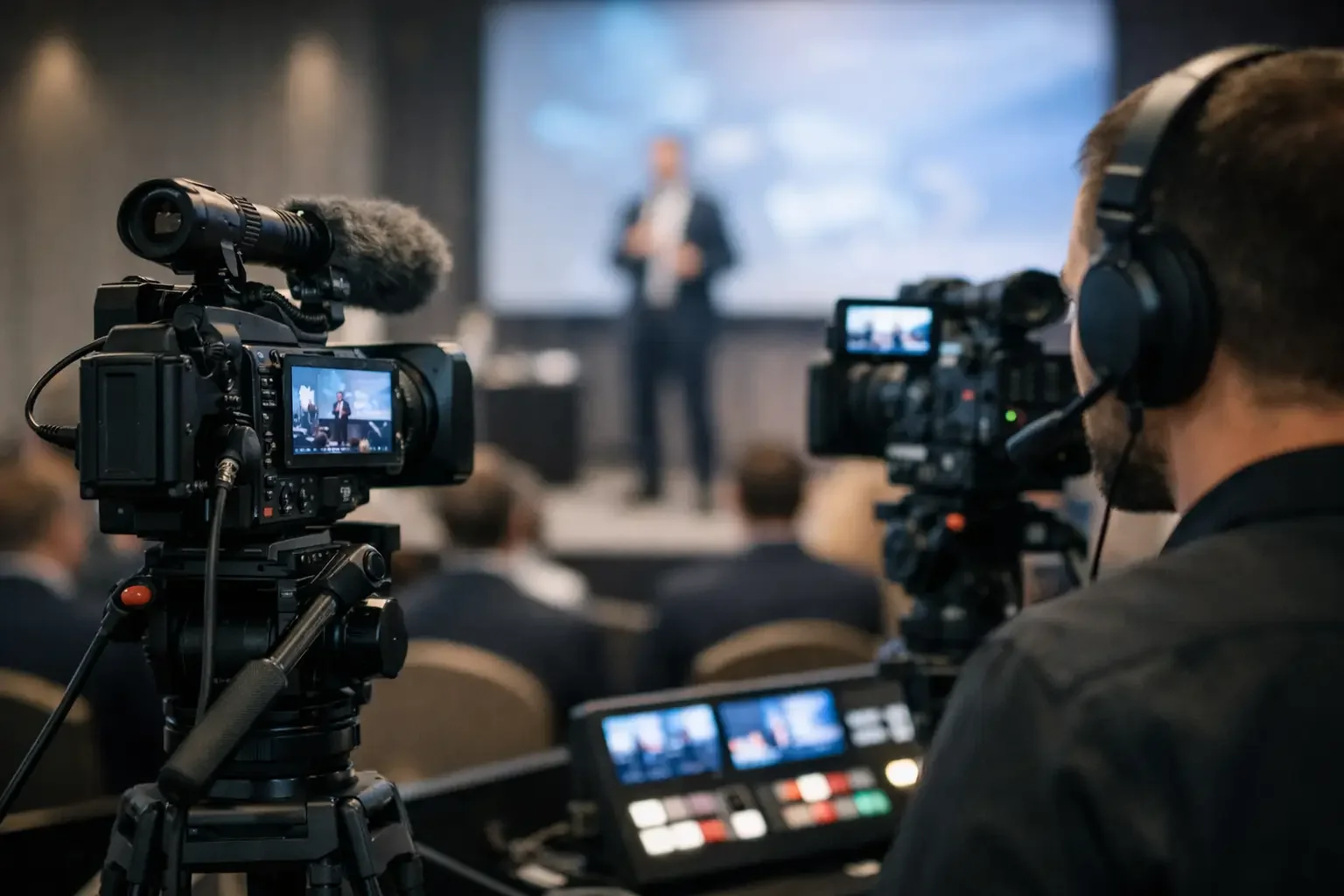
A packed room, a strong speaker lineup, real audience energy - most organizations get one shot to capture that momentum. That is why event video production for organizations matters so much. When it is planned well, your event does more than serve the people in the room. It becomes a content engine that supports marketing, recruiting, fundraising, internal communication, and brand credibility long after the event ends.
For many teams, the mistake is not skipping video altogether. It is treating event coverage as a simple documentation task instead of a strategic production. A handheld recap or a few random clips might prove the event happened, but it rarely communicates why it mattered. Decision-makers need video that reflects the quality of the organization itself. At Chisum Multimedia, you can expect clear messaging, polished visuals, and footage shaped around specific business goals.
What event video production for organizations should actually accomplish
The best event videos do more than recap a schedule. They help an audience feel the value of the experience and understand what your organization stands for. That may mean showing the scale of a conference, the emotional impact of a fundraiser, the authority of an industry panel, or the community around an annual celebration.
This is where strategy changes the result. A highlight film built for social media has a different job than a testimonial edit for future sponsorship outreach. A recruiting video pulled from event footage needs different interviews and visual moments than an internal culture piece. The footage may come from the same day, but the production plan should be shaped by where the video will live and what action you want viewers to take.
Organizations that get the strongest return usually think beyond a single final deliverable. One event can often produce a polished recap video, speaker clips, short-form social content, sponsor thank-you assets, website visuals, and internal communications material. The event lasts a day. The content can support your brand for months.
Why organizations often underuse event footage
Many events are planned with care, but video is brought in too late. By then, the venue is locked, the schedule is packed, and no one has made room for interviews, lighting considerations, audio setup, or content priorities. The production team is left to react instead of direct.
That approach usually shows up in the finished product. Audio may be thin. Key moments may be missed. Interviews feel rushed. Branding in the room may not translate well on camera. None of these issues mean the event was unsuccessful. They simply mean the video was not set up to perform at a high level.
There is also a common assumption that event video is only useful for large conferences or high-budget galas. In reality, smaller organizational events can benefit just as much, sometimes more. A leadership summit, healthcare seminar, nonprofit fundraiser, ribbon cutting, training session, or client appreciation event can all become valuable branded content when the production is aligned with a clear purpose.
Start with business goals, not camera gear
Before production details are discussed, the first question should be simple: what should this video do for the organization?
If the goal is awareness, the edit may focus on atmosphere, attendance, and your brand presence. If the goal is trust, speaker soundbites, attendee reactions, and professional coverage may matter most. If the goal is future attendance, the story should show why this event is worth making time for next year. If the goal is sponsorship, the footage needs to demonstrate visibility, audience quality, and brand alignment.
This is where experienced guidance saves time and budget. Not every event needs multiple camera operators, drone footage, same-day edits, or extensive interviews. Sometimes a lean, well-planned production is exactly right. Other times, cutting corners on audio, staffing, or pre-production can weaken every asset that follows. It depends on the size of the event, the complexity of the schedule, and how important the footage will be to future marketing.
The production details that make the biggest difference
Strong event coverage usually comes down to a few essentials: planning, audio, storytelling, and adaptability.
Planning matters because events move fast. A production partner should know the run of show, key speakers, sponsor obligations, VIP moments, and which parts of the day matter most on camera. Without that clarity, crews can capture a lot of footage and still miss the moments that actually support the final story.
Audio is often the difference between a video that feels premium and one that feels disposable. Organizations will forgive a quick camera move before they forgive muddy audio from a keynote, unusable interview sound, or room echo that makes a message hard to follow. Good visuals attract attention. Good audio keeps credibility intact.
Storytelling matters because not every impressive event creates an effective video on its own. Footage needs shape. The strongest edits find a narrative thread - growth, connection, innovation, service, celebration, impact - and use it to guide what viewers remember.
Adaptability matters because live events rarely run exactly to plan. Schedules shift. Lighting changes. Speakers go long. A dependable crew stays calm, adjusts quickly, and protects the final result without adding stress to your team.
How to get more value from one event shoot
Organizations often assume event video means one recap film and a folder of raw footage. That is a missed opportunity.
A better approach is to treat the event as a source for multiple assets. A single production day can support several audiences if the plan is built that way. Executive interviews can be recorded between sessions. Attendee reactions can support future promotions. Presentation clips can be edited into thought leadership content. B-roll can refresh your website, pitch decks, and social channels.
This is especially useful for marketing teams that need consistent content without scheduling separate shoots for every campaign. With the right strategy, an annual event can fill content gaps across the year. That makes the production more cost-effective and more valuable to the organization as a whole.
For companies and organizations in Middle Tennessee, this is often where a full-service partner brings real advantage. When pre-production, filming, and editing are handled with the end use in mind, the process feels easier and the final assets work harder.
Choosing the right partner for event video production for organizations
Not every video company is built for organizational events. Some are excellent at cinematic visuals but weak on logistics. Others can document an event but struggle to create a polished marketing piece from the footage. The right fit is a team that can manage both - professional execution on a live event day and strategic editing that turns footage into business-ready content.
Look for a partner that asks smart questions early. They should want to know who the audience is, how the video will be used, what success looks like, and which stakeholders need to be represented. They should also communicate clearly about scope, timing, approvals, and what is realistically possible within the event schedule.
Just as important, the production experience should reduce pressure on your team. Organizational leaders and marketing directors already have enough to manage on event day. A reliable crew should bring confidence, not extra coordination problems. That combination of creative quality and dependable service is what turns a vendor into a long-term partner.
Chisum Multimedia serves organizations across Murfreesboro, Nashville, Franklin, and the broader Middle Tennessee area with that exact balance in mind - polished production, strategic storytelling, and a process designed to be straightforward for busy teams.
When a simple recap is enough - and when it is not
Sometimes a short highlight reel is the right choice. If your main goal is to document attendance, show energy, and create a quick post-event marketing piece, a concise recap may do the job well.
But some events carry more weight. If the event supports fundraising, public trust, thought leadership, stakeholder engagement, or future sales, it often deserves a broader content plan. In those cases, relying on one quick edit can leave real value on the table. The investment should match the importance of the event and the lifespan you want the content to have.
That does not always mean a bigger production. It means a smarter one.
The organizations that benefit most from event video are usually not the ones chasing flashy footage. They are the ones using video with purpose. They know a well-produced event video can validate their brand, extend the life of a major initiative, and help people who were not in the room understand why the work matters. If your next event matters to your audience, your team, or your growth, it is worth capturing in a way that keeps working after the chairs are folded and the room is quiet again.