
Commercial Photography for Business That Works
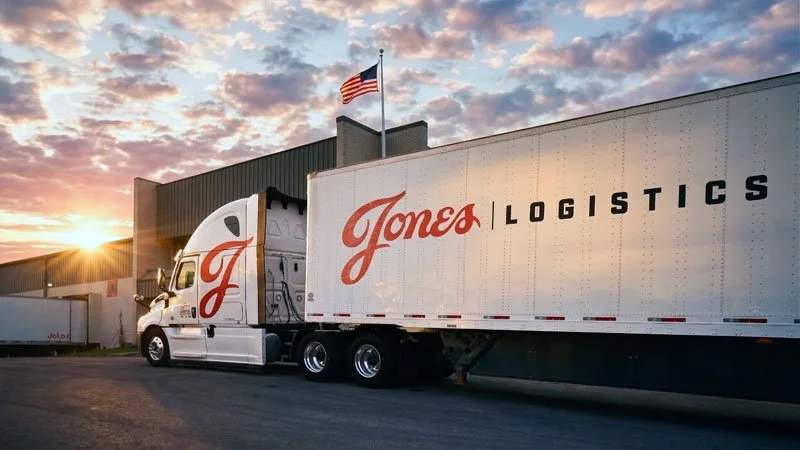
A prospect lands on your website, scrolls for five seconds, and makes a decision before reading a full sentence. That is why commercial photography for business is not a cosmetic extra. It is often the first proof that your company is credible, current, and worth a closer look.
For many businesses, photography gets treated as a box to check. A few headshots, a building exterior, maybe a team photo in the lobby, and done. The problem is that generic visuals rarely support serious marketing goals. If your photos do not reflect the quality of your service, your brand starts working against you.
At Chisum Multimedia we can provide commercial photography that helps people understand who you are, what you offer, and why they should trust you. It gives your website, social media, digital ads, brochures, presentations, and recruiting materials a consistent visual standard. More than that, it helps your business look like it knows exactly where it is going.
What commercial photography for business really does
At its best, business photography is not about filling empty space on a website. It is about shaping perception. Before a prospect talks to your sales team, visits your office, or requests a quote, they are already evaluating your professionalism through visuals.
Good photography communicates details quickly. It can show that your team is approachable, your facility is clean and well-run, your products are premium, or your process is organized and trustworthy. Those signals matter in every industry, but they are especially important for professional services, healthcare, manufacturing, education, nonprofits, and local businesses competing in crowded markets.
This is where strategy matters. A business that needs to attract high-value clients may need a polished brand image with a refined, editorial feel. A company hiring aggressively may need photos that show culture, leadership, and workplace energy. A healthcare practice may need imagery that feels calm, welcoming, and trustworthy. The right style depends on the goal.
The difference between average photos and useful ones
Most businesses already have photos. That does not mean they have the right photos.
Average images tend to be inconsistent, loosely planned, and disconnected from the brand. They may be technically fine but still fail to support the message. One photo looks formal, the next looks casual, and another feels like a stock image substitute. Instead of building confidence, the overall impression feels pieced together.
Useful commercial photography for business is created with application in mind. It considers where the photos will appear, who needs to respond to them, and what action they should support. A homepage hero image has a different job than a recruiting image, an executive portrait, or a product detail shot. When photography is planned around those uses, the final library becomes far more valuable.
That value compounds over time. One well-executed photo shoot can supply months of marketing content if the images are captured intentionally.
What types of business photography matter most
The right mix depends on your company, but most organizations benefit from a combination of brand-level and practical imagery.
Team and leadership portraits
Professional portraits do more than make your staff page look polished. They humanize the business. People want to know who they are hiring, meeting, or trusting with a project. Consistent portraits create credibility and help your organization appear established.
There is also a difference between stiff headshots and portraits that feel confident and natural. The best version usually reflects your brand personality. A law office may want more formal imagery. A creative firm or medical practice may want warmth without losing professionalism.
Workplace and process photography
These images show your business in action. They can include your team collaborating, serving clients, operating equipment, meeting with patients, or delivering services. This category often performs especially well because it gives prospects context. They do not just hear what you do. They see it.
For service businesses, process photography can remove uncertainty. It helps people picture what working with you actually looks like. That is powerful in marketing because uncertainty is one of the biggest barriers to conversion.
Facility and environment images
Your space says something about your standards. Clean, well-composed environmental photography can strengthen trust quickly, whether you operate a clinic, office, warehouse, campus, or retail location.
This is particularly useful for local businesses in Middle Tennessee where location, accessibility, and atmosphere often influence buyer decisions. If your space is part of the customer experience, it deserves to be photographed well.
Product and marketing images
If you sell physical products, visual quality directly affects perceived value. Product photography needs consistency, accurate color, thoughtful lighting, and a style that fits your brand. Depending on the use, you may need clean studio-style images, lifestyle imagery, or both.
For marketing campaigns, product photos often work best when paired with a broader brand story. A sharp catalog image is useful. A product shown in a real-world setting can be even more persuasive.
Why planning matters before the camera comes out
A successful shoot starts long before the production day. This is the part many businesses underestimate.
Without a clear plan, photo sessions tend to drift toward whatever seems easy to capture in the moment. That usually leads to missing key images, inconsistent styling, and a final gallery that looks fine but does not solve much.
A more strategic approach begins with questions. Where will the images be used first? What audience are you trying to influence? What brand impression do you want to reinforce? Which services, people, spaces, or products matter most? What visual gaps already exist in your marketing?
When those answers are clear, the shoot can be structured around them. Shot lists become more focused. Scheduling gets easier. Team members know what to expect. And the finished images are much more likely to work across multiple channels.
That is also why experienced creative partners bring more than technical skill. They help translate business goals into visual priorities.
Commercial photography and video work better together
For many companies, photography and video should not be treated as separate conversations. They serve different purposes, but together they create a much stronger brand presence.
Photography gives you flexible, fast-loading assets for websites, ad creative, presentations, email campaigns, social posts, and print materials. Video adds motion, voice, emotion, and narrative depth. When both are captured with a shared visual direction, the result feels cohesive instead of fragmented.
This matters for brands trying to look established across every touchpoint. If your website photos feel modern but your video feels dated, or your headshots feel polished but your campaign imagery feels generic, the brand experience becomes uneven. Consistency builds trust.
For that reason, many businesses benefit from planning photography as part of a larger content strategy rather than a one-off project. At Chisum Multimedia, that kind of alignment is often where visual content starts producing stronger long-term marketing value.
How to know if your business needs updated photography
Sometimes the need is obvious. Your staff photos are outdated, your office has changed, or your website still relies on a handful of old images from years ago. In other cases, the issue is more subtle.
If your brand looks less polished than your competitors, photography may be part of the problem. If your marketing materials feel repetitive, you may not have enough visual variety. If your team hesitates to post on social media or update a presentation because the visuals are weak, that is a sign your image library is holding you back.
It also becomes urgent when your business is changing. A rebrand, expansion, new location, service launch, leadership update, or hiring push all create a need for fresh visuals. Your audience should see the current version of your company, not the one from three years ago.
What businesses should expect from a professional shoot
A strong commercial photography experience should feel organized and straightforward. You should know the goals, the schedule, the style direction, and what is being delivered. There should be clarity around who needs to be involved, how locations will be prepared, and how the images will be used afterward.
That level of planning reduces friction. It also helps your team feel more comfortable on camera, which usually improves the final result. Most people are not professional models, and they do not need to be. Good direction, clear communication, and an easy process matter just as much as gear.
The other thing to expect is selectivity. Not every image needs to be taken, and not every popular visual trend fits your brand. A professional team should help you avoid filler and focus on the shots that genuinely support your business.
Investing in photography that earns its keep
Commercial photography is an investment, but the more useful question is whether the images will be used well. Great photos that sit untouched in a folder are not a smart buy. Strategic photos that strengthen your website, support campaigns, improve brand perception, and give your team better marketing tools can deliver value for a long time.
That is why the best business photography is not just attractive. It is functional. It supports sales. It supports trust. It supports growth.
If your company is ready to look as strong as it actually is, the right photography can make that visible right away. And when your visuals finally match the quality of your work, marketing gets a lot easier.